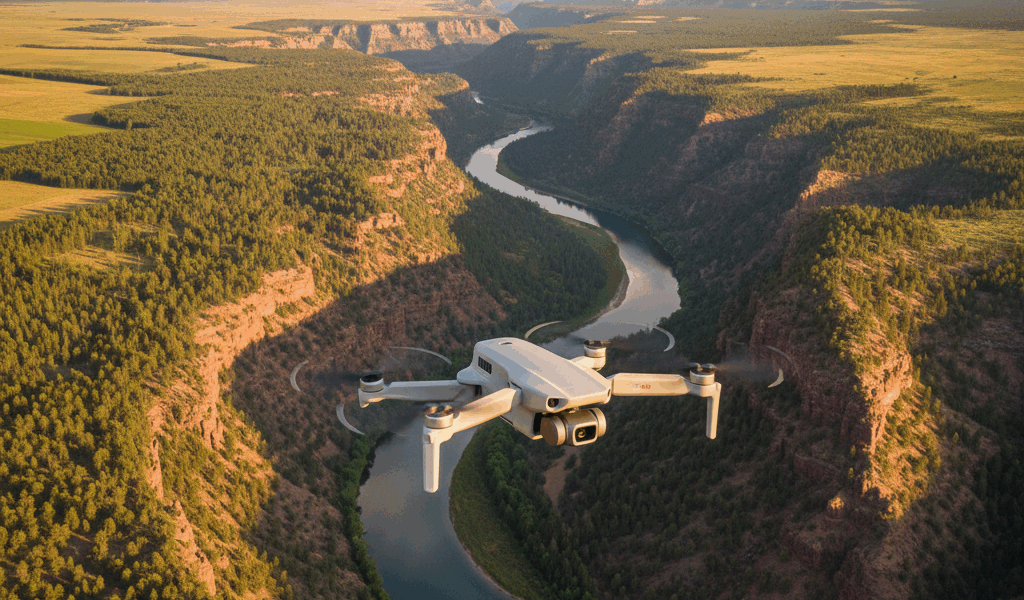
I’ve been flying drones since the Phantom 3 era, and the biggest change I’ve seen isn’t in the high end — it’s at the $500 mark. Five years ago, $500 got you something barely controllable with a potato camera. Today it gets you a genuinely capable machine with stabilized 4K video and intelligent flight features. The gap between budget drones and premium ones has narrowed dramatically, and $500 is the sweet spot where you stop making painful compromises.
DJI Mini 4K
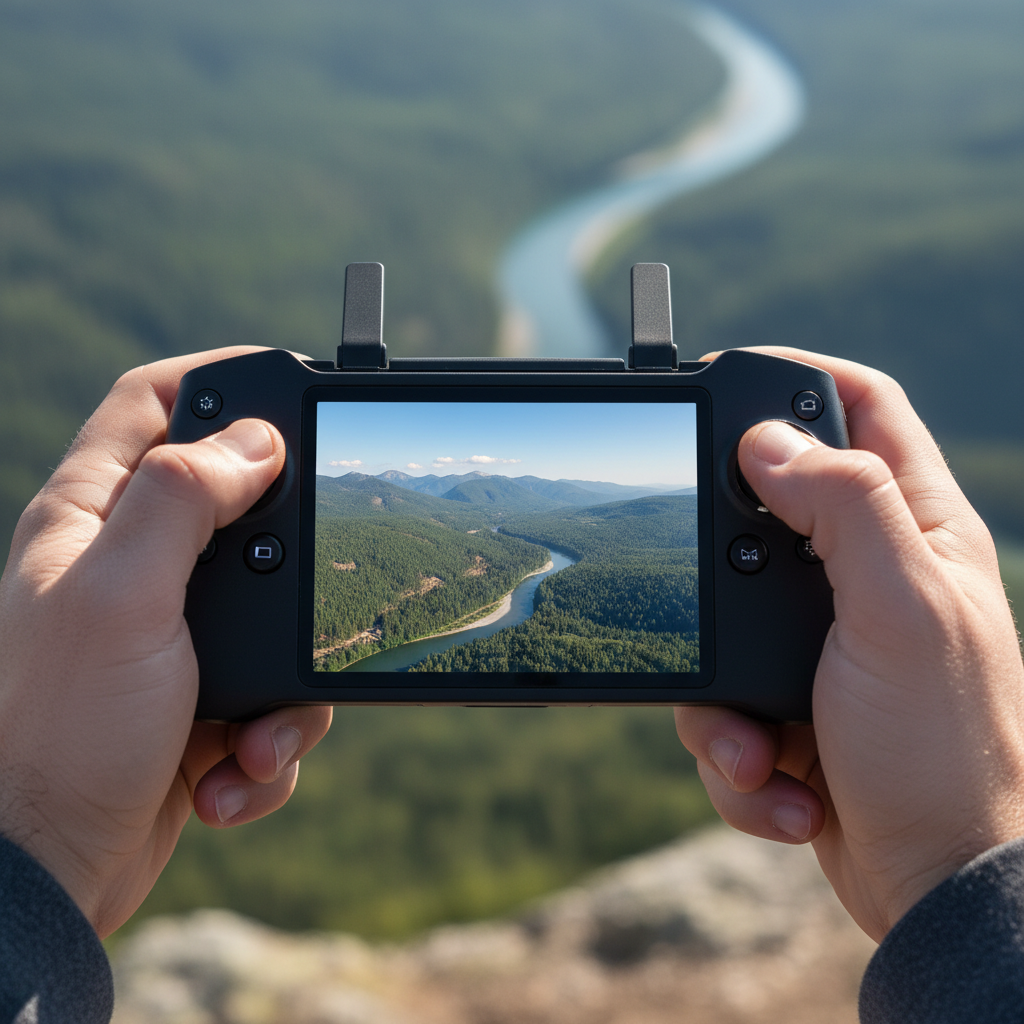
DJI dominates this price range, and the Mini 4K is their entry ticket. You’re getting real 4K video, a 3-axis gimbal that actually keeps footage smooth in wind, and the kind of polished flight experience that DJI has been perfecting for a decade. Street price usually hovers around $300, which leaves budget room for extra batteries.
The big selling point beyond the camera: it weighs under 250 grams. That means no FAA registration requirement if you’re flying recreationally. You still need to follow all the rules — airspace restrictions, line of sight, altitude limits — but skipping the registration process and the $5 fee removes one barrier to getting started. For commercial Part 107 pilots, registration is required regardless of weight, but the lightweight design still makes it a convenient option for quick scouting flights.
DJI Mini 2 SE
The step up from the Mini 4K, the 2 SE gives you meaningfully better transmission range and slightly improved motors for more stable flight in moderate wind. The camera spec sheet looks similar, but the real-world performance gap shows up in range confidence — you can fly farther without worrying about losing your video feed. Street price sits around $350, and the extra $50 over the Mini 4K buys genuine capability rather than just a spec bump.
Potensic Atom SE
If you’re specifically looking to avoid the DJI ecosystem — maybe you prefer a different app, or you want to support competition — the Potensic Atom SE is the most credible alternative in this price range. It hits the same key specs: sub-250 grams, 4K camera, 3-axis gimbal. The hardware is legitimately good. Where it falls short is software polish — DJI’s app and flight algorithms have years of refinement that Potensic is still catching up on. You’ll notice the difference in automated flight modes and post-processing options. But for manual flying and basic video work, it’s a solid machine at a lower price.
What You’re Giving Up Under $500
Be realistic about what this price range doesn’t include. Full omnidirectional obstacle avoidance? That’s a $700+ feature on most platforms. The 4K label on these cameras is technically accurate but the sensor size limits low-light performance and dynamic range compared to higher-end models. And those advertised 30-minute flight times? In practice, expect 22-25 minutes with any kind of maneuvering — wind, altitude changes, and active camera use all eat into battery life faster than the spec sheet suggests.
The Bottom Line
For anyone entering the hobby in 2025, my honest recommendation is to start with a DJI Mini variant. The software ecosystem, the reliability track record, and the support community outweigh the slight price premium over alternatives. Five hundred dollars buys you a drone that produces footage you’ll actually want to share — not professional cinema equipment, but genuinely good results that would have cost $2,000 three years ago. Start here, learn the fundamentals, and upgrade when your skills outgrow the hardware.


Leave a Reply